Don't Just Learn Theory— Build Solutions That Matter
Illustrative project ideas, not verified student outcomes.
Why Most Coding Classes Fail to Deliver Real-World Skills
Traditional coding education follows a predictable and broken pattern: Students complete tutorials, copy pre-made projects, and collect certificates of completion without ever building anything original. They learn to follow instructions but not to create solutions.
Rite Tutor operates from radically different principles. From day one—whether students are in Bloomington, Bedford, Ellettsville, or anywhere nationwide—we challenge learners to identify genuine problems in their communities and build functional solutions.
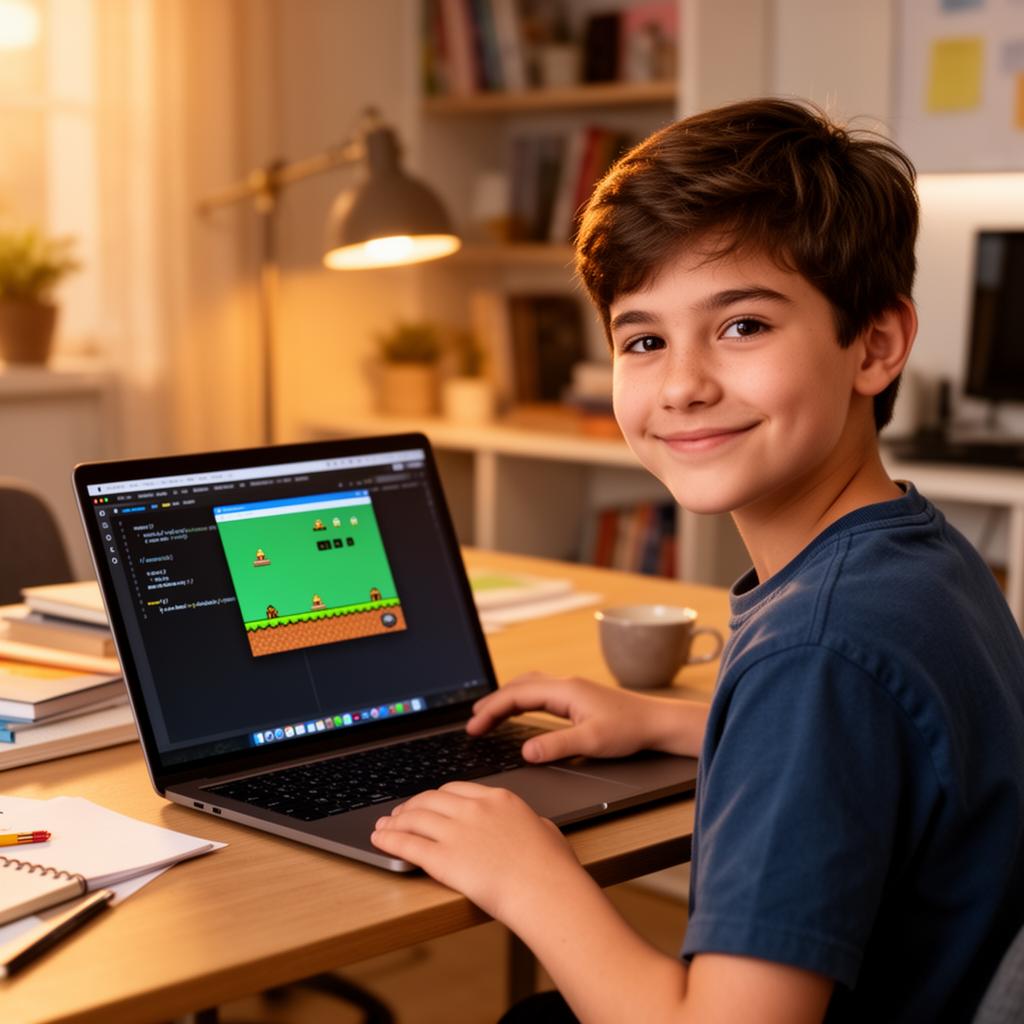
Real Student Projects: Evidence of Excellence
These aren't hypothetical examples. They're actual projects completed by Rite Tutor students.
The Monroe County Cleanup Tracker
Illustrative project: design a simple page that organizes fictional cleanup tasks and locations. Practice structuring information and explaining design decisions. This is not a report of a student outcome or an affiliation.
The Academic Traffic Light System
Illustrative project: build a task list using fictional assignments and color-coded states. Practice updating data and explaining how the interface changes.
The Interactive Quiz
Illustrative project: build a rule-based quiz that selects a response from a fixed set of options. Practice conditional logic without collecting personal or health information.
The Local Business Directory
Illustrative project: create a directory of fictional businesses. Practice organizing entries and building a simple search interaction without claiming adoption by any organization.
The GitHub Portfolio: Your Child's Professional Resume
Every Rite Tutor student builds a professional GitHub profile from their first project. A GitHub profile with consistent commit history, increasing project sophistication, and professional documentation tells a compelling story that generic test scores cannot match. It demonstrates:
Beyond Coding: Transferable Professional Skills
Systems Thinking
Understanding how components interact within larger ecosystems
Project Management
Breaking large objectives into achievable milestones with realistic timelines
Communication
Articulating technical concepts to non-technical audiences through documentation and presentations
Debugging Resilience
Viewing failures as data rather than defeats—perhaps the most valuable professional skill
Build and explain practical projects Explaining Your Work
Practical projects give students opportunities to explain their thinking, test ideas and reflect on what to improve. Discuss appropriate goals and a suitable starting point during a consultation.
Start Building Your Child's Portfolio Today
The question isn't whether your child can build impressive projects—it's whether you're ready to invest in education that produces evidence of excellence rather than empty certificates of completion.