Why Your Gifted Child is Bored in Coding Class (And What To Do About It)

The heartbreaking pattern repeats worldwide: A brilliant nine-year-old masters programming concepts in two weeks, then sits through ten more weeks of review for classmates still struggling with basics. By month three, they've decided "coding is boring."
The truth? The teaching method is boring. The child is fine.
This is one of the most devastating consequences of age-based coding curricula—the systematic under-challenging of gifted learners. When a child capable of complex logical reasoning is forced to sit through elementary material because their age cohort hasn't caught up, we're not just wasting their time. We're actively training them to disengage from learning.
The Neuroscience of Boredom in Gifted Children
Research in cognitive development consistently shows that children develop logical reasoning capabilities at vastly different rates. A nine-year-old might demonstrate analytical thinking typical of a fourteen-year-old, while their same-age peers are still developing foundational reasoning skills. Neither is wrong—they're simply at different developmental stages.
When gifted children are chronically under-challenged, three destructive patterns emerge. First, they learn that minimal effort produces maximum results, developing lazy study habits that devastate them when they eventually encounter genuinely challenging material. Second, they associate learning with boredom, reducing intrinsic motivation. Third, they develop arrogance rather than confidence—believing they're inherently superior rather than understanding that everyone has different learning timelines.
The Rite Tutor Solution: Skill-Based Progression
At Rite Tutor, we reject age-based placement entirely. During our initial Logic-First Assessment, we evaluate how your child actually thinks—not what grade they're in. A gifted nine-year-old demonstrating tenth-grade analytical thinking starts working on material that genuinely challenges them.
This means your child is never waiting. Never bored. Never under-challenged. Every session pushes them to grow, building on demonstrated mastery rather than arbitrary age brackets.
The result? Children who were "bored with coding" in group classes become enthusiastically engaged when matched with curriculum calibrated to their actual ability. We've seen this transformation happen in under 60 days—from disengaged to building original projects with genuine excitement.
What Parents Can Do Right Now
If your gifted child is showing signs of disengagement in their current coding program, ask their instructor whether curriculum can be individualized (if the answer is no, that's your answer about the program's quality). Evaluate whether your child is actually learning or simply completing assignments quickly. Look for programs that assess skill level independent of age.
The goal isn't finding harder busywork—it's finding education that matches your child's cognitive development stage with appropriate challenge and genuine mentorship.
Related Articles

Why We Teach Logic Before Syntax
Most coding programs start with Python or JavaScript syntax. Rite Tutor starts with how to think. Logic is permanent — languages change. Here's the philosophy and the science behind it.
Read MoreThe Complete Coding Roadmap for Kids Ages 6 to 15
What should a 7-year-old learn? An 11-year-old? A 14-year-old? A skill-based roadmap from first logic puzzles to university-level coursework.
Read More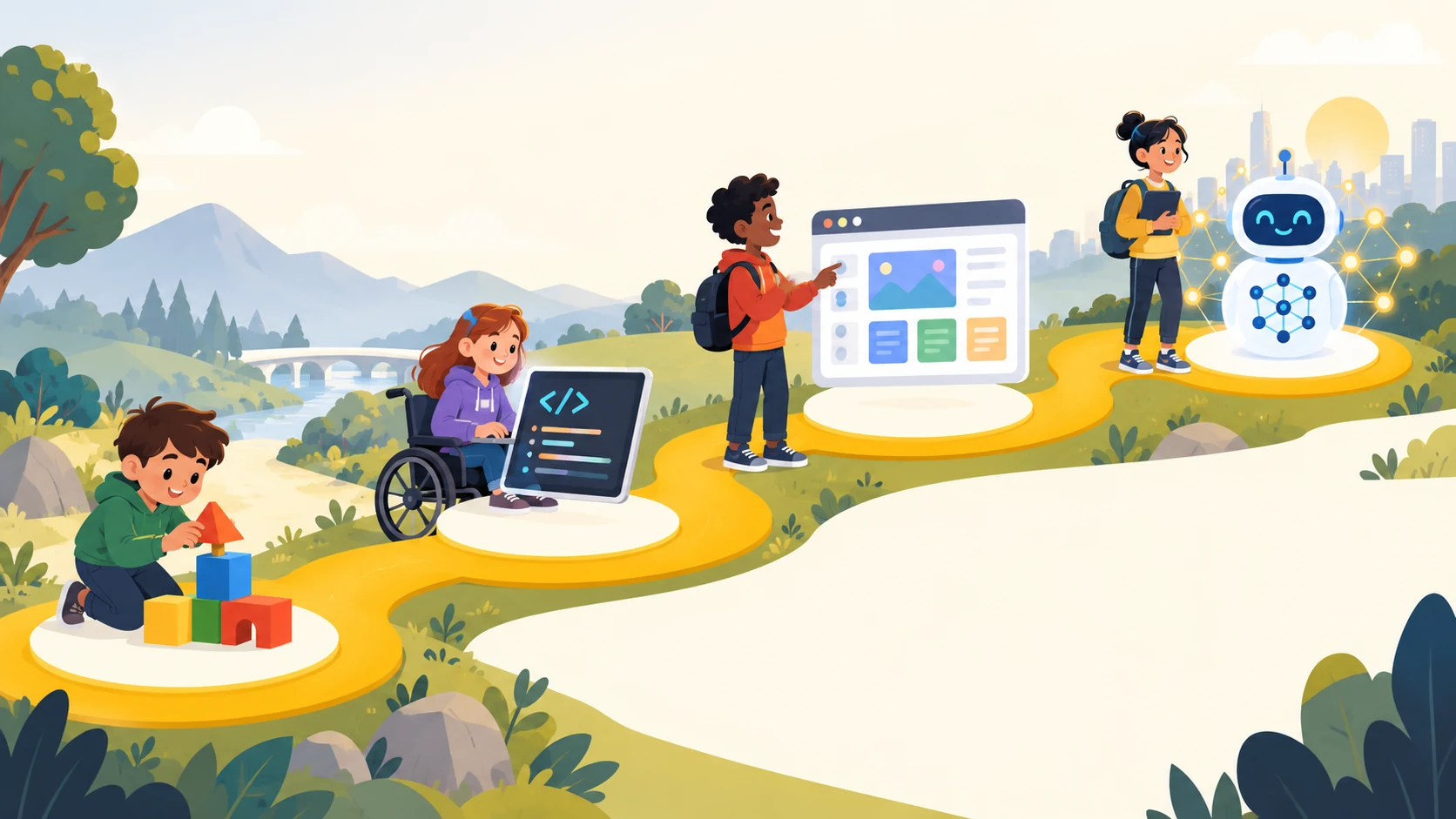
Coding Roadmap for Kids Ages 6–15: Choose by Skill, Not Just Age
Find your child’s next coding step by readiness, from visual blocks and Python to web development, full-stack projects, and AI.
Read MoreReady to Start Your Child's Journey?
Book a free 30-minute strategy call to discuss your child's potential.